 By Uzair Ali
What Are Ghost Kitchens and Why Are They Growing?
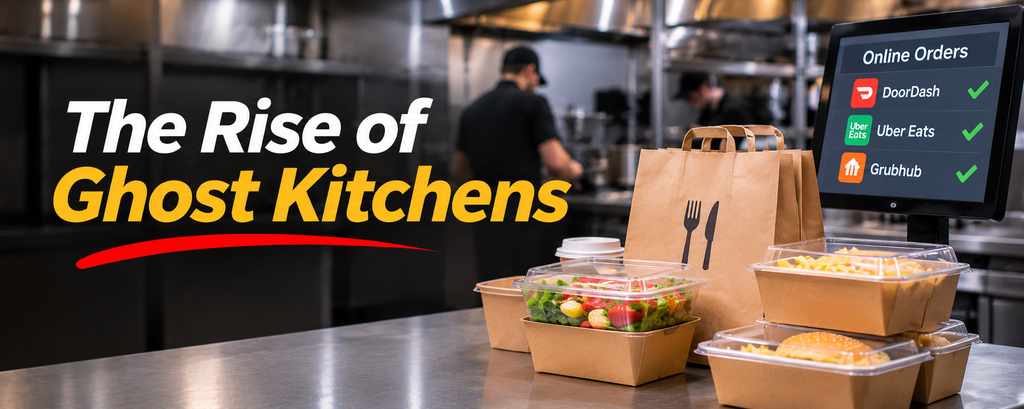
The foodservice industry continues to evolve with changing consumer behavior, and one of the biggest shifts in recent years is the rise of ghost kitchens. Also known as virtual kitchens or delivery‑only restaurants, these concepts operate without a dine‑in space and focus entirely on online orders.
A ghost kitchen is built for efficiency. Customers place orders through apps or websites, and meals are prepared solely for delivery or pickup. This model saw rapid growth during the pandemic, but its momentum has not slowed. Today’s consumers prioritize convenience, speed, and accessibility, making delivery‑first dining a long‑term trend rather than a temporary solution.
Industry leaders recognize this transformation. Travis Kalanick, former CEO of Uber and founder of CloudKitchens, has stated that delivery‑first kitchens represent “the future of how restaurants will reach customers.” This insight reflects how deeply digital ordering has reshaped the industry.
Key Benefits of Ghost Kitchens for Restaurant Operators
One of the main reasons ghost kitchens are gaining traction is their lower startup and operating costs. Without the need for prime retail locations, dining areas, or large front‑of‑house teams, operators can reduce overhead significantly. This makes it easier to launch new concepts or expand into different markets without major financial risk.
Another major advantage is flexibility. Operators can run multiple brands from one kitchen, test menu ideas quickly, and pivot based on demand. If a concept does not perform well, it can be adjusted or replaced without the cost of remodelling a physical space. This level of adaptability is difficult to achieve in traditional restaurant settings.
Digital Presence and Branding in a Virtual Restaurant Model
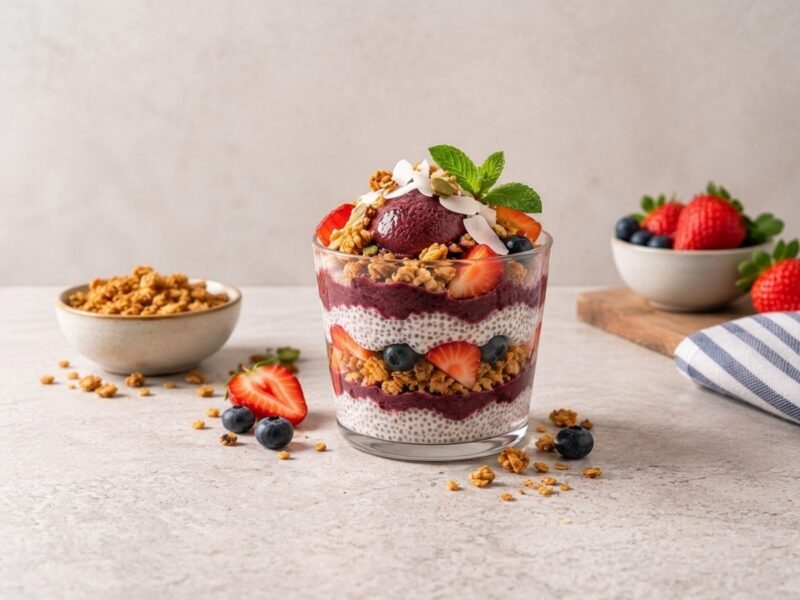
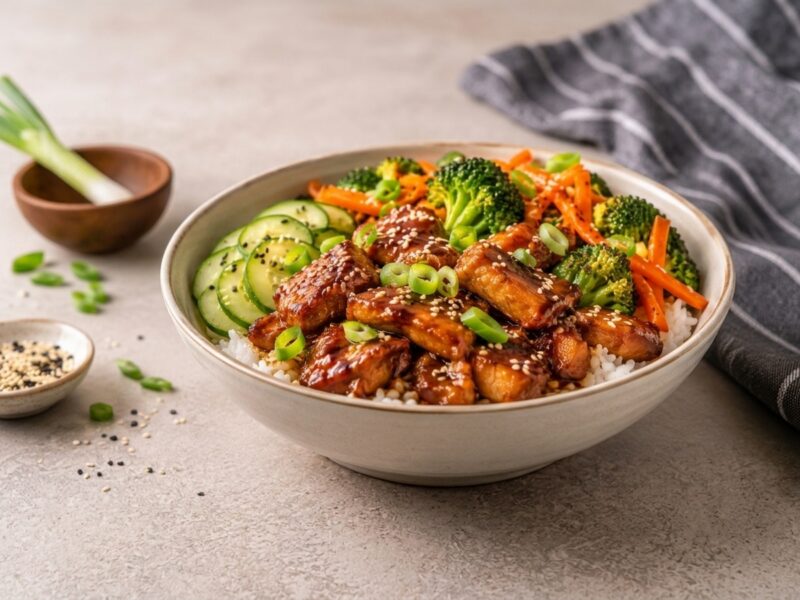
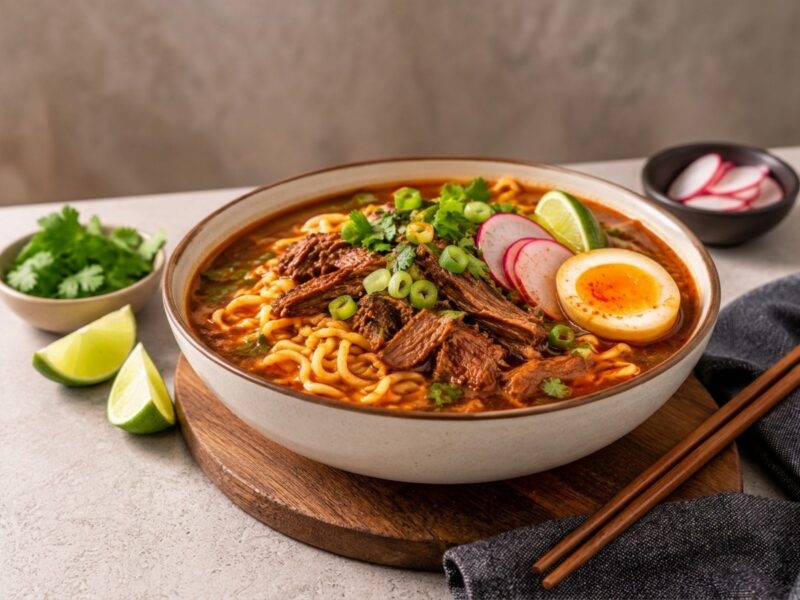
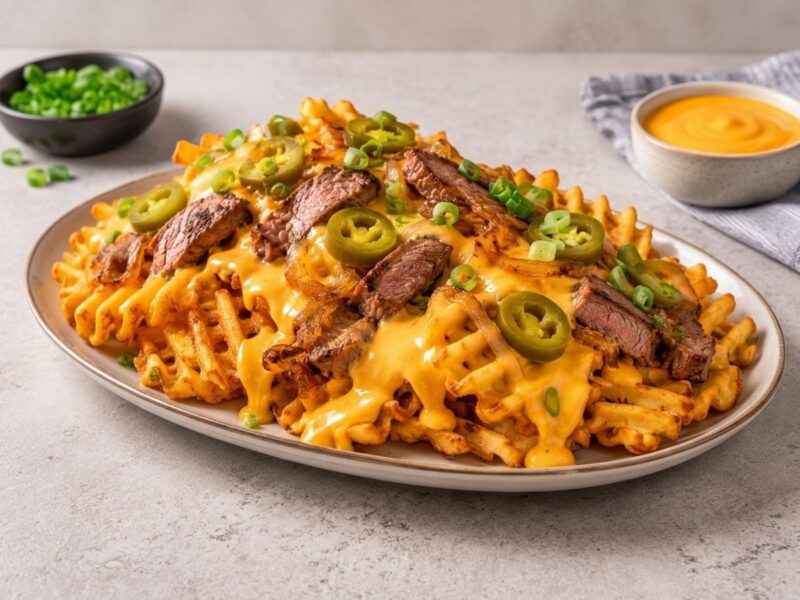
Success in a ghost kitchen depends heavily on online visibility. Since there is no physical storefront, your digital presence becomes your primary way to attract customers. High‑quality food images, optimized menu descriptions, competitive pricing, and strong customer reviews all contribute to better performance on delivery platforms.
Branding is equally important. In a crowded online marketplace, having a clear identity helps build trust. Your logo, menu style, and messaging should feel consistent across all platforms. Even without a physical location, customers expect a reliable and recognizable experience.
Operational Efficiency and Food Delivery Optimization
Running a successful ghost kitchen requires a strong focus on operational efficiency. Kitchens must be designed for speed and accuracy, ensuring orders are prepared quickly without compromising quality.
Packaging is a critical factor in delivery success. Food must arrive fresh, intact, and visually appealing. Investing in quality packaging solutions helps maintain temperature, prevent spills, and improve customer satisfaction.
Delivery logistics also play a major role. Whether you rely on third‑party platforms or manage your own delivery system, timing and accuracy are essential. Late or incorrect orders can harm your reputation quickly, so streamlined processes and trained staff are key.
Menu Engineering for Delivery‑Only Restaurants
Not every dish works well for delivery, which is why menu planning is crucial in a ghost kitchen setup. Items should hold their texture, flavour, and presentation during transit.
Simple, well‑prepared dishes often perform better than overly complex meals. Operators should focus on creating menus that are both efficient to produce and reliable during delivery. This approach reduces errors and improves overall customer satisfaction.
Using Data to Improve Ghost Kitchen Performance
One of the biggest advantages of operating a virtual kitchen is access to real‑time data. Delivery platforms provide insights into customer preferences, order trends, and top‑performing items.
Smart operators use this data to refine their menus, adjust pricing, and improve marketing strategies. A data‑driven approach allows businesses to make informed decisions, leading to better efficiency and higher profitability over time.
Challenges of Running a Ghost Kitchen Business
While ghost kitchens offer many benefits, they also come with challenges. Competition in the delivery space is intense, and standing out requires consistent effort.
Profit margins can be affected by third‑party delivery fees, making cost management essential. Operators must balance pricing, portion sizes, and operational costs to maintain profitability. Success in this model requires discipline, planning, and continuous improvement.
The Future of Ghost Kitchens in the Foodservice Industry
Ghost kitchens are not just a passing trend. As technology advances and consumer demand for convenience continues to grow, this model will remain a key part of the restaurant industry.
Operators who embrace innovation, invest in digital strategies, and focus on efficiency will be better positioned for long‑term success. The ability to adapt quickly will define the next generation of successful foodservice businesses.
Final Thoughts and How to Get Started
Launching or scaling a ghost kitchen requires more than just a good idea. It demands the right tools, reliable supplies, and a strong operational foundation.
FoodServiceDirect helps operators stay prepared with a wide selection of foodservice products, from quality ingredients to durable packaging and essential kitchen supplies. If you are ready to grow your ghost kitchen or start a new delivery‑focused concept, explore FoodServiceDirect today and set your business up for long‑term success.