 By Uzair Ali
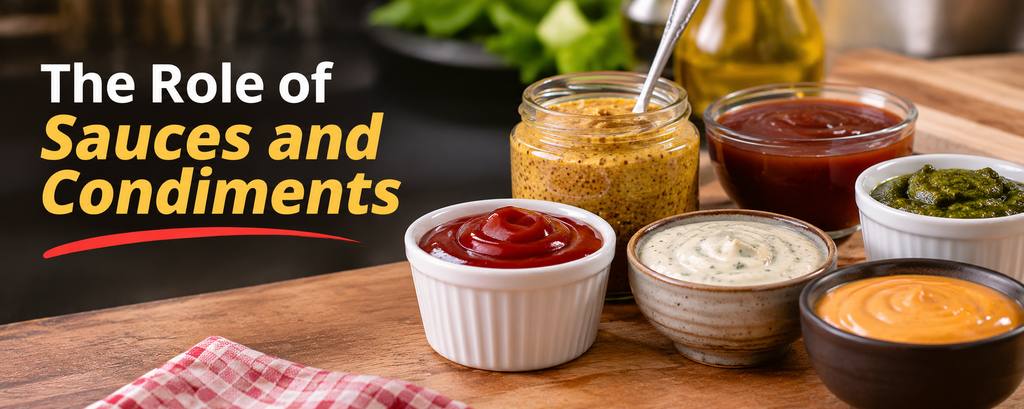
In foodservice, profitability often comes down to the smallest details. While operators spend significant time evaluating proteins, labor costs, and menu pricing, one of the most effective tools for increasing margins is frequently overlooked: sauces and condiments.
From signature burger sauces and flavored aiolis to dipping sauces, dressings, glazes, and finishing drizzles, these additions do far more than enhance flavor. They help restaurants create menu differentiation, justify premium pricing, improve customer satisfaction, and maximize profitability without significantly increasing food costs.
For restaurant operators, chefs, and foodservice purchasing managers, understanding the strategic role of sauces and condiments can unlock new revenue opportunities while improving operational efficiency.
Why Sauces Matter More Than Ever
Consumer expectations have evolved dramatically over the last decade. Diners are no longer satisfied with basic menu offerings. They expect unique flavors, customizable experiences, and menu items that feel distinctive.
Sauces provide one of the easiest ways to deliver exactly that.
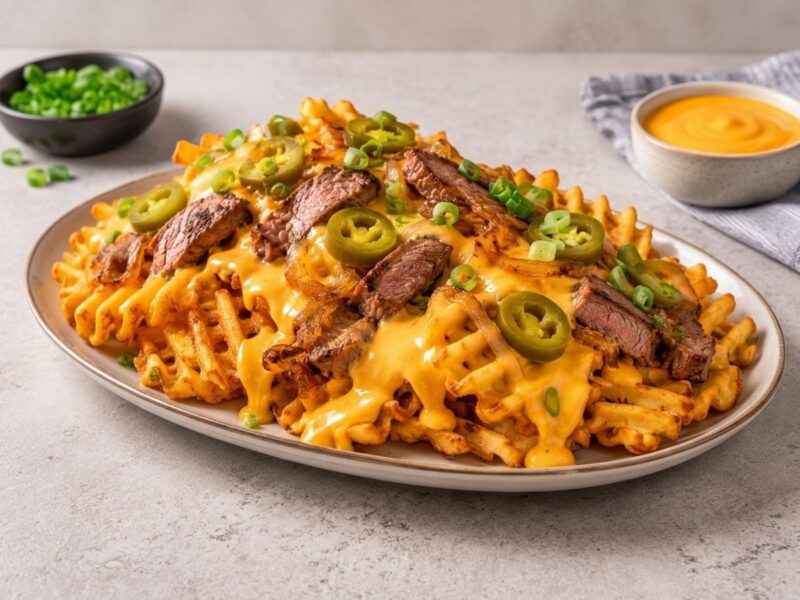
A simple grilled chicken sandwich can become a premium menu item with the addition of a house‑made chipotle aioli. A basic order of fries can transform into a shareable appetizer when paired with multiple dipping sauces. Even familiar menu items can feel new and exciting when operators introduce limited‑time sauces inspired by seasonal or global flavor trends.
According to the National Restaurant Association, consumers continue to show strong interest in bold flavors, global cuisines, and customizable menu experiences. Sauces help operators capitalize on all three trends without requiring major changes to kitchen operations.
High Perceived Value, Low Food Cost
One of the biggest advantages of sauces and condiments is their ability to create perceived value.
A guest may not think twice about paying an additional dollar or two for a specialty sauce, premium dressing, or flavored dip. Yet the actual food cost of that addition is often relatively low compared to proteins, dairy products, or fresh produce.
This creates a favorable cost‑to‑price relationship that can significantly improve menu profitability.
Consider a restaurant offering a signature garlic parmesan sauce, spicy honey glaze, or roasted pepper aioli as an add‑on. The ingredient cost may only represent a small fraction of the menu price increase, allowing operators to improve margins without creating resistance from customers.
In an industry where every percentage point matters, these incremental gains can have a meaningful impact on overall profitability.
Supporting Menu Differentiation
Competition in foodservice has never been greater. Customers have countless dining options available through dine‑in, takeout, delivery, and virtual restaurant platforms.
Standing out requires more than simply offering quality food.
Signature sauces allow operators to establish a unique identity that competitors cannot easily replicate. Many successful restaurant chains have built loyal customer followings around proprietary sauces and flavor profiles.
Whether it’s a famous burger sauce, a unique barbecue blend, or a house‑crafted salad dressing, these products help create memorable dining experiences that customers associate with a specific brand.
For independent restaurants, sauces can serve as an affordable form of innovation. Rather than redesigning an entire menu, operators can introduce new flavor experiences through limited‑time sauces, seasonal dressings, or regional flavor profiles.
Driving Upselling Opportunities
Every successful operator understands the importance of increasing average check size.
Sauces and condiments create natural upselling opportunities throughout the customer journey.
Servers can recommend premium dipping sauces alongside appetizers. Quick‑service restaurants can offer specialty condiments as add‑ons during ordering. Delivery operators can include optional sauce selections that increase order value with minimal effort.
The beauty of sauce‑based upselling is that it feels natural rather than aggressive. Customers often view these additions as enhancements to their dining experience rather than unnecessary purchases.
Some operators have successfully built entire premium menu categories around customizable sauce options, allowing guests to personalize their meals while increasing average transaction values.
Improving Menu Versatility
Menu development can be expensive and labor‑intensive. New ingredients require sourcing, training, storage, and inventory management.
Sauces provide a more efficient alternative.
A single sauce can be utilized across multiple menu items, creating variety without adding complexity. For example, a spicy aioli may work equally well on sandwiches, wraps, burgers, fries, and appetizers.
This cross‑utilization offers several benefits:
- Reduced inventory complexity
- Improved purchasing efficiency
- Lower food waste
- Easier staff training
- Greater menu flexibility
From an operational standpoint, sauces allow kitchens to create multiple flavor experiences using a limited number of ingredients, improving both profitability and execution.
Meeting Consumer Demand for Global Flavors
American consumers continue to embrace international flavors and culinary influences.
Hot honey, Korean‑inspired sauces, chimichurri, harissa, peri‑peri, gochujang, and Mediterranean‑inspired dressings have become increasingly popular across restaurant categories.
Introducing globally inspired sauces offers a low‑risk way to test emerging food trends without requiring a complete menu overhaul.
Operators can gauge customer interest, generate excitement, and refresh menus while maintaining operational consistency.
This approach is particularly valuable for restaurants seeking innovation without increasing labor requirements or inventory costs.
Consistency and Operational Efficiency
Consistency remains one of the most important drivers of customer satisfaction.
Guests expect the same flavor experience every time they visit, regardless of location, shift, or staff member preparing the food.
Prepared sauces and standardized recipes help operators maintain this consistency while reducing kitchen variability.
Many foodservice operators are increasingly relying on professionally produced sauces and condiments that offer reliable flavor profiles, portion control, and extended shelf life. These products can reduce labor demands while supporting quality standards across multiple locations.
For high‑volume operations, consistency is often just as important as creativity.
The Role of Sauces in Social Media Appeal
Presentation has become a critical component of modern foodservice marketing.
Customers frequently share food photos across social media platforms, creating valuable organic exposure for restaurants.
Sauces contribute significantly to visual appeal. Drizzles, glazes, dipping presentations, and colorful finishing sauces can transform an ordinary plate into a highly shareable dining experience.
A vibrant spicy mayo drizzle, a carefully plated balsamic reduction, or a visually striking dipping trio can help menu items stand out both in person and online.
In today’s digital environment, visual appeal often influences purchasing decisions before a customer ever tastes the food.
Looking Ahead
As foodservice operators continue searching for ways to improve profitability while meeting evolving customer expectations, sauces and condiments will remain powerful tools for menu innovation.
Their ability to enhance flavor, support premium pricing, increase average ticket values, improve operational efficiency, and create memorable brand experiences makes them one of the most versatile assets in menu design.
The most successful operators understand that profitability doesn’t always come from adding expensive ingredients or creating complex dishes. Sometimes, the greatest impact comes from a carefully selected sauce that transforms an ordinary menu item into something customers are excited to order again and again.
Final Thoughts
In today’s competitive restaurant environment, sauces and condiments are no longer secondary menu components. They are strategic business tools that influence customer perception, purchasing behavior, and overall profitability.
For restaurants, cafés, catering companies, and foodservice operations looking to improve margins without sacrificing quality, investing in a thoughtful sauce strategy can deliver significant returns. Whether through signature recipes, premium add‑ons, global flavor profiles, or operational efficiencies, sauces have the power to elevate both the guest experience and the bottom line.
The operators who view sauces as revenue drivers rather than simple accompaniments are often the ones creating stronger menus, stronger brands, and stronger financial results.