 By Uzair Ali
Understanding Food Cost Challenges in Today’s Kitchen
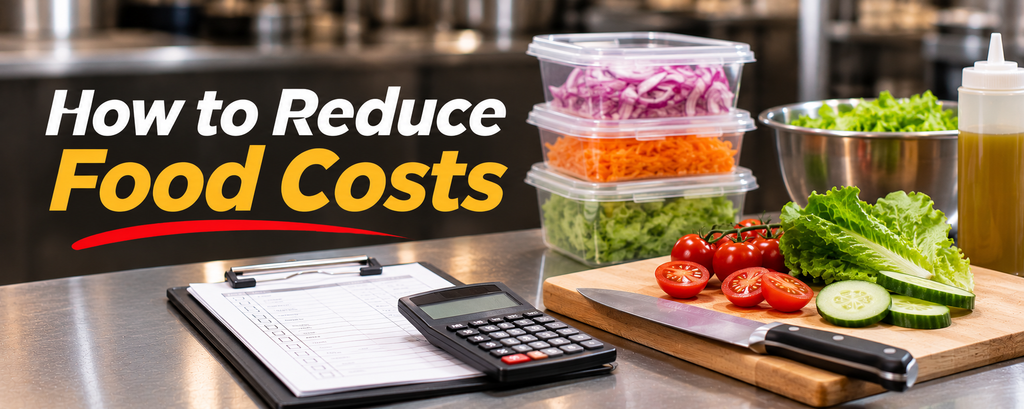
Rising ingredient prices and supply chain fluctuations have made food cost control one of the biggest concerns for restaurant operators. Whether you run a small café or manage a large foodservice operation, keeping costs in check without lowering quality can feel like a constant balancing act. The good news is that reducing food costs does not always mean cutting corners. With the right strategies, operators can maintain high standards while improving profitability.
As renowned chef Thomas Keller once said, “A recipe has no soul. You, as the cook, must bring soul to the recipe.” This idea reflects the importance of technique and discipline over simply relying on expensive ingredients. Quality comes from execution, not just cost.
Smart Menu Planning and Engineering
One of the most effective ways to control food costs is through menu engineering. Not every item on your menu contributes equally to profit, so it is important to identify which dishes perform best. Focus on items that offer strong margins and consistent demand.
Simplifying your menu can also reduce costs. Fewer ingredients mean less inventory to manage and lower risk of spoilage. Designing dishes that share common ingredients helps streamline purchasing and reduces waste. At the same time, portion control plays a key role. Serving consistent portions ensures that food costs remain predictable while maintaining a satisfying experience for customers.
Seasonal menu adjustments can further support cost savings. Ingredients that are in season are often more affordable and fresher, allowing you to maintain quality while spending less.
Improving Inventory Management Practices
Effective inventory management is essential for reducing unnecessary expenses. Overstocking can lead to spoilage, while understocking may force last‑minute purchases at higher prices. Finding the right balance helps control costs and maintain smooth operations.
Regular inventory checks allow operators to track usage patterns and identify slow‑moving items. Implementing a first in, first out system ensures that older stock is used before newer deliveries, reducing the risk of waste. Digital inventory tools can also provide real‑time insights, making it easier to manage stock levels and plan orders accurately.
Building strong relationships with reliable suppliers is another key factor. Consistent suppliers can offer better pricing, dependable quality, and timely deliveries, which all contribute to cost efficiency.
Reducing Food Waste in Daily Operations
Food waste is one of the most overlooked sources of unnecessary cost in the kitchen. Even small amounts of waste add up over time, impacting your bottom line. Reducing waste does not require drastic changes, but it does require attention to detail.
Training staff to handle ingredients properly can make a significant difference. Proper storage, careful preparation, and mindful portioning help minimize waste. Creative use of ingredients can also turn potential waste into valuable menu items. For example, vegetable trimmings can be used for stocks, and surplus ingredients can be incorporated into daily specials.
Monitoring waste regularly helps identify patterns and areas for improvement. When staff understand the financial impact of waste, they are more likely to take ownership of reducing it.
Sourcing Ingredients Strategically
Choosing the right sourcing strategy can have a direct impact on food costs. Buying in bulk often provides better pricing, especially for staple ingredients. However, it is important to ensure that bulk purchases align with your usage to avoid spoilage.
Local sourcing can also offer advantages. Working with local suppliers may reduce transportation costs and provide fresher ingredients. In some cases, it can also strengthen your brand by highlighting locally sourced products.
Flexibility in ingredient selection is another useful approach. If certain items become too expensive, consider alternative ingredients that deliver similar flavor and quality. This allows you to maintain your menu standards while adapting to market conditions.
Enhancing Kitchen Efficiency and Staff Training
Operational efficiency plays a major role in controlling food costs. A well‑organized kitchen reduces errors, speeds up preparation, and ensures consistent quality. Clear workflows and proper equipment help staff perform their tasks more effectively.
Training is equally important. Skilled staff can handle ingredients with care, follow recipes accurately, and minimize mistakes that lead to waste. Regular training sessions help reinforce best practices and keep everyone aligned with cost control goals.
Communication within the team also matters. When staff understand the importance of managing costs, they are more likely to contribute to solutions and maintain high standards.
Using Data to Make Better Decisions
Modern foodservice operations have access to valuable data that can guide cost‑saving strategies. Sales reports, inventory records, and customer preferences provide insights into what works and what does not.
Analyzing this data helps operators identify trends, adjust pricing, and refine menu offerings. For example, if a dish has high ingredient costs but low sales, it may need to be reworked or replaced. On the other hand, popular items with strong margins can be promoted more effectively.
Data‑driven decisions reduce guesswork and allow operators to respond quickly to changes in demand or pricing.
Maintaining Quality While Cutting Costs
Reducing food costs should never come at the expense of quality. Customers expect consistency, flavour, and value, and these expectations must remain a priority. The key is to focus on efficiency rather than compromise.
By improving processes, managing resources wisely, and making informed decisions, operators can maintain high standards while controlling expenses. Small improvements across different areas often lead to significant overall savings.
Final Thoughts and Next Steps
Managing food costs is an ongoing process that requires attention, planning, and adaptability. Operators who take a proactive approach can protect their margins while continuing to deliver quality meals that customers enjoy.
Having the right supplier can make this process much easier. FoodServiceDirect offers a wide range of high‑quality ingredients, bulk products, and kitchen essentials designed to support efficient operations. If you are looking to reduce costs without sacrificing quality, explore FoodServiceDirect today and discover solutions that help your business grow smarter and stronger.